
Termite Inspections
Professional termite and wood-destroying insect inspections for homes throughout Knoxville and East Tennessee.
ABOUT TERMITES IN TENNESSEE
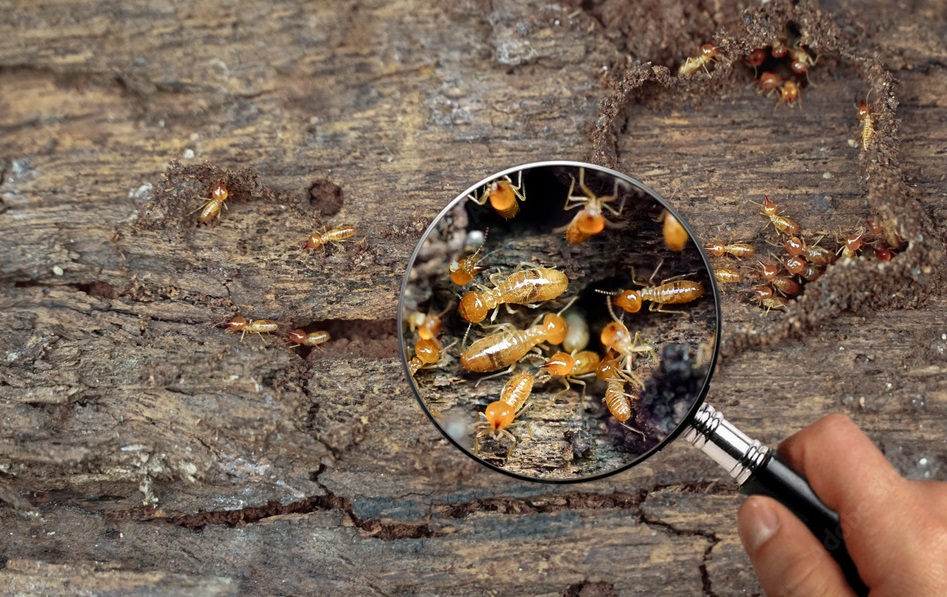
Termites are a common concern in East Tennessee, especially because much of their activity can happen out of sight. Moisture, wood-to-soil contact, and hard-to-access crawlspaces can all make termite activity easier to miss, which is one reason a dedicated inspection can be so useful when you’re evaluating a home.
WHEN A TERMITE LETTER IS REQUIRED
In many transactions, a termite inspection is ordered because the lender requires a wood-destroying insect report or clearance letter. During a standard home inspection, we still look for visible evidence such as shelter tubes, damaged wood, and other signs of possible activity, but a dedicated termite inspection is performed specifically for that purpose and provides the documentation that may be needed for the loan.
What TERMITE INSPECTION CAN TELL YOU
Termites and other wood-destroying insects can leave behind signs that aren’t always obvious during a normal walkthrough. We inspect accessible areas of the property for visible evidence of activity, previous damage, and conditions that may make the home more vulnerable to infestation.
WHAT WE LOOK FOR
We look for things like shelter tubes, damaged wood, insect activity, conducive moisture conditions, wood-to-soil contact, and other visible signs that may point to current or previous wood-destroying insect activity. The goal is to identify what we can see and help you understand whether further evaluation or treatment may be appropriate.
WHY THESE INSPECTIONS MATTER
Subterranean termites are common in Tennessee, and much of their activity can occur inside or behind building materials where it isn’t immediately visible. A dedicated termite inspection gives us time to focus specifically on the areas and conditions most associated with wood-destroying insects.
IF WE FIND SOMETHING
If we identify evidence of termite activity or conditions that raise concern, we’ll explain what we found and recommend the appropriate next step. That may include further evaluation or treatment by a qualified pest-control professional.